- Research-Grade Peptides · 18+ Only · For Laboratory Use Only

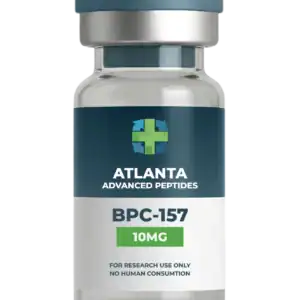
BPC-157
BPC-157 (Body Protection Compound 157) is a high-purity synthetic pentadecapeptide research compound consisting of 15 amino acids with a molecular weight of 1419.5 g/mol. One of the most extensively referenced compounds in modern peptide research, BPC-157 has been studied across gastrointestinal, musculoskeletal, neurological, and inflammatory research models in hundreds of published peer-reviewed studies. Supplied by Atlanta Advanced Peptides exclusively for qualified laboratory researchers in the USA. For research use only. 18+ only. Not for human or veterinary consumption.
$59.99 Original price was: $59.99.$49.99Current price is: $49.99.
Description
What is BPC-157?
BPC-157 — short for Body Protection Compound 157 — is a synthetic pentadecapeptide consisting of 15 amino acids. Derived from a protective protein naturally found in gastric juice, BPC-157 has emerged as one of the most extensively studied compounds in modern peptide research. Researchers looking to buy BPC-157 research peptide for laboratory study will find this compound consistently cited across hundreds of peer-reviewed publications exploring gastrointestinal, musculoskeletal, and neurological research models.
First synthesized and investigated in the 1990s, the BPC 157 peptide has continued to attract growing scientific attention due to the range of biological processes it appears to interact with under controlled in-vitro and in-vivo laboratory conditions. Its stability in aqueous environments and its compatibility with standard laboratory protocols have made it a popular choice among researchers worldwide.
BPC-157 Compound Specifications
| Specification | Detail |
|---|---|
| Common Name | BPC-157 |
| Full Name | Body Protection Compound 157 |
| Sequence | Gly-Glu-Pro-Pro-Pro-Gly-Lys-Pro-Ala-Asp-Asp-Ala-Gly-Leu-Val |
| Amino Acids | 15 (Pentadecapeptide) |
| Molecular Formula | C₆₂H₉₈N₁₆O₂₂ |
| Molecular Weight | 1419.5 g/mol |
| Form | Lyophilized powder |
| Purity | ≥ 99% |
| Storage | Store at -20°C, protected from light and humidity |
| Reconstitution | Bacteriostatic water recommended |
| CAS Number | 137525-51-0 |
| Research Use | In-vitro and in-vivo laboratory research only |
BPC-157 in Scientific Research
The BPC157 research compound has been referenced in over 300 published scientific studies, making it one of the most well-documented synthetic peptides available to the research community. Below is an overview of the key research domains in which BPC-157 has been investigated under controlled laboratory conditions.
Gastrointestinal Research Models
BPC-157 was originally studied in the context of gastrointestinal biology due to its derivation from a protein found in human gastric juice. Laboratory research has examined its interaction with intestinal epithelial cells, gut motility signaling pathways, and mucosal integrity models in controlled in-vitro settings. The BPC-157 for sale through Atlanta Advanced Peptides is the same compound referenced extensively in published GI research literature.
Musculoskeletal and Connective Tissue Research
Among the most widely cited areas of BPC-157 research peptide investigation is its interaction with tendon fibroblasts and connective tissue cells under laboratory conditions. Studies published in peer-reviewed journals have examined how BPC-157 influences the behavior of tendon and ligament cells in in-vitro models, as well as its effects in rodent-based research environments. These studies are conducted exclusively in controlled scientific settings.
Angiogenesis and Vascular Research
Scientific literature referencing the BPC 157 peptide has explored its potential role in angiogenesis research models — specifically the formation of new vascular structures in tissue culture environments. Researchers have documented BPC-157’s interaction with VEGF (Vascular Endothelial Growth Factor) pathways in laboratory-based studies, contributing to a growing body of vascular biology research.
Neurological Research Models
BPC-157 has been investigated in neurological research settings, with published studies examining its interaction with dopaminergic and serotonergic pathways in animal research models. Laboratory researchers studying neurotransmitter signaling, neuroprotective mechanisms, and central nervous system biology have referenced BPC157 research compound in peer-reviewed publications.
Inflammatory Pathway Studies
A significant portion of published BPC-157 research focuses on inflammatory signaling. In-vitro laboratory studies have examined this compound’s interaction with NF-κB pathways, COX-2 expression models, and nitric oxide synthase activity — making it a relevant compound for researchers working in inflammatory biology and cytokine research environments.
Research Disclaimer: All research references above relate exclusively to published scientific literature and controlled laboratory investigations. BPC-157 supplied by Atlanta Advanced Peptides is for research use only and is not approved for human or veterinary application.
Why Researchers Choose Our BPC-157
When searching for BPC-157 for sale from a trusted USA-based supplier, the quality of the compound matters as much as the price. At Atlanta Advanced Peptides we supply BPC-157 that meets the standards serious researchers demand.
≥99% Purity Guaranteed Every batch of BPC-157 we supply is held to a minimum purity standard of ≥99%. Compound integrity is non-negotiable for reproducible laboratory results — we take that seriously.
Lyophilized for Maximum Stability Our BPC-157 is supplied in lyophilized powder form, which ensures compound stability during shipping and storage. Properly stored lyophilized BPC-157 maintains its integrity for extended periods, protecting your research investment.
USA-Based Fulfillment As a domestic USA-based research compound supplier, we offer faster shipping times than overseas alternatives. All orders are dispatched via USPS Ground Advantage or USPS Priority Mail with full tracking provided.
Professional, Secure Ordering Our checkout is fully encrypted. Ordering BPC-157 research peptide through Atlanta Advanced Peptides is a straightforward, professional experience designed for researchers who value reliability.
Transparent Compound Information We provide full compound specifications, storage guidelines, and reconstitution recommendations so your laboratory team has the information needed to handle this compound correctly.
Ordering BPC-157 for Your Laboratory
To buy BPC-157 research peptide from Atlanta Advanced Peptides, add the compound to your cart and complete checkout through our secure payment gateway. Orders are processed Monday through Friday during standard business hours. Once shipped, tracking information will be provided via email.
All purchases are made with the explicit understanding that:
- The purchaser is 18 years of age or older
- The compound will be used solely for legitimate laboratory research
- The product will not be used for human or veterinary purposes
Reconstitution Guidelines for Research Use
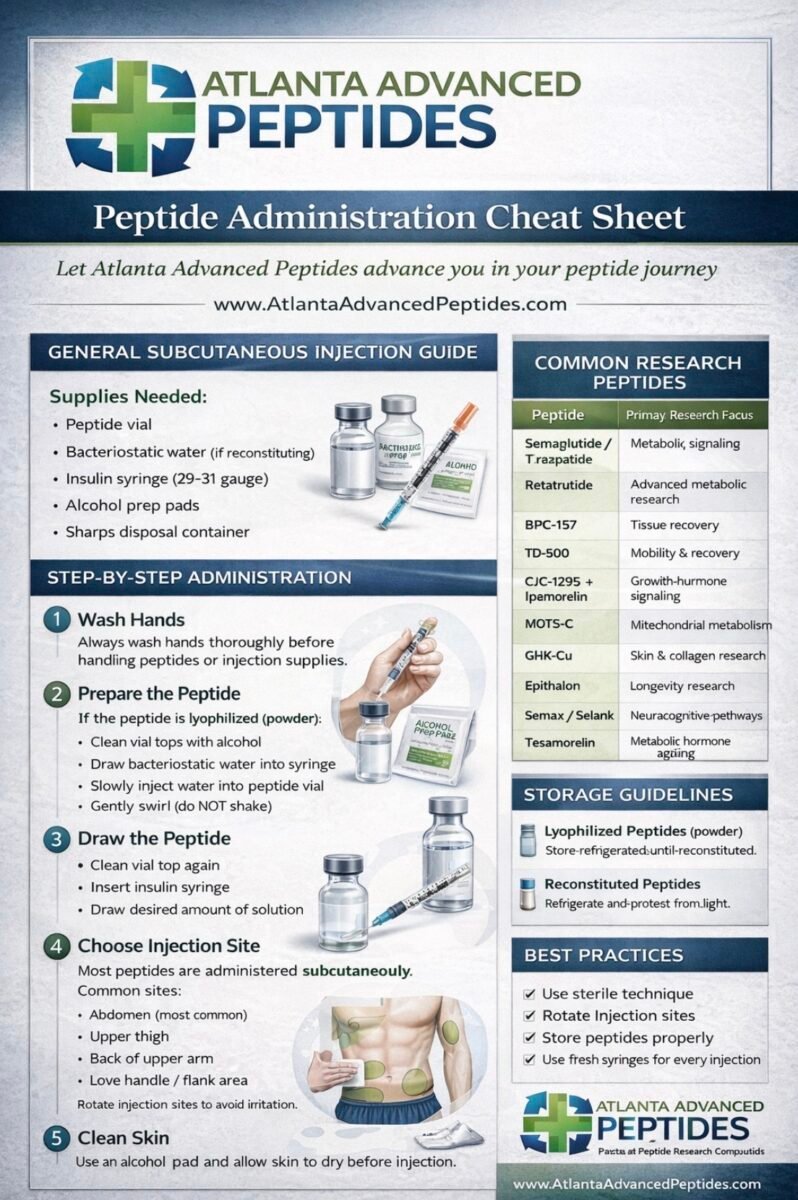
BPC-157 is supplied as a lyophilized powder and requires reconstitution prior to use in laboratory protocols. The following guidance is provided for research reference only:
- Recommended solvent: Bacteriostatic water (available in our Supplies category)
- Reconstitution method: Inject solvent slowly down the side of the vial — do not shake vigorously
- Storage after reconstitution: Keep refrigerated at 2-8°C and use within research protocol timeframes
- Handling: Use standard laboratory PPE and sterile technique throughout
Related Research Compounds
Researchers studying BPC-157 frequently reference these related compounds in their laboratory work:
- TB-500 (Thymosin Beta-4) — commonly referenced alongside BPC-157 in musculoskeletal research models
- KLOW 80mg Research Blend — multi-compound blend containing BPC-157, TB-500, KPV and GHK-Cu
- GHK-Cu 50mg — copper peptide compound frequently studied in cellular regeneration research contexts
- Bacteriostatic Water 10ml — recommended reconstitution solvent for laboratory use
Research Disclaimer
⚠️ For Laboratory Research Use Only
BPC-157 supplied by Atlanta Advanced Peptides is intended strictly for in-vitro and in-vivo scientific research conducted by qualified researchers in controlled laboratory environments. This compound is not approved for human consumption, veterinary use, or any clinical application whatsoever. It is not classified as a drug, supplement, food product, or therapeutic agent. All purchasers must be 18 years of age or older. By completing a purchase, the buyer explicitly confirms that this compound will be used solely for legitimate scientific research purposes and in full compliance with all applicable local, state, and federal laws and regulations.
Additional information
| Weight | 0.2 lbs |
|---|---|
| Unit Size | 10mg |
| Form | Lyophilized Powder (Vial) |
| Storage | 2°C–8°C (Reconstituted) |
you may also like...
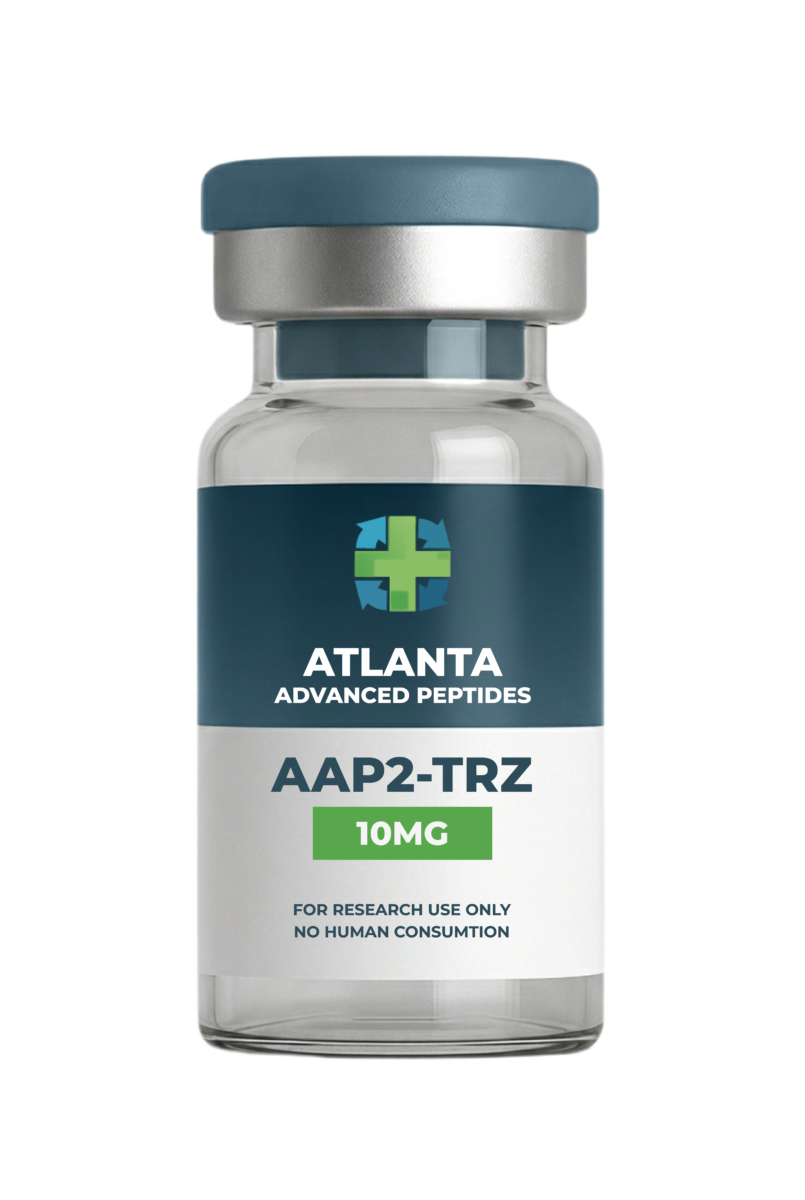
- Research use only